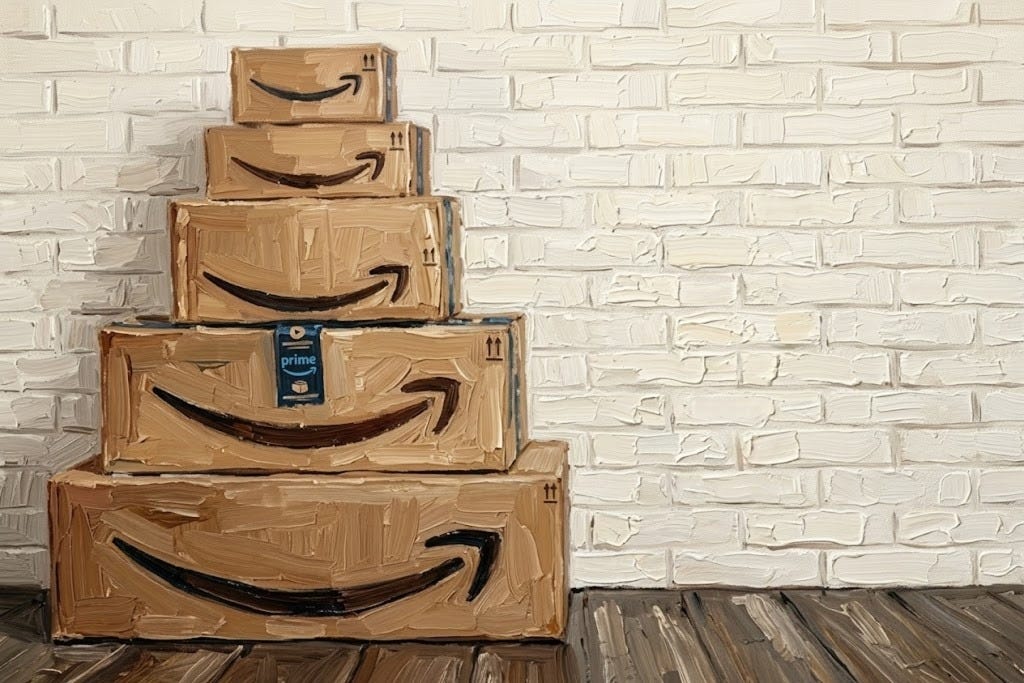

If you had done a rigorous financial analysis of Amazon shares back in early 2000, at the height of the tech bubble, you probably would have concluded that the shares were absurdly overpriced. And sure enough, the stock did suffer a sharp decline, ultimately dropping more than 90%. But from a low of about $0.30 (adjusted for splits) in 2001, Amazon shares rose to more than $280 earlier this year.
This has been great for Amazon shareholders, but it also poses a challenge. Amazon is now a proof point for those arguing in favor of any stock that appears overpriced. After all, with certain assumptions, any stock can be made to appear reasonable. But in most cases, overpriced stocks are just that—overpriced.
Investment manager Rob Arnott captured this idea when he said, in reference to Tesla, “Its shares are not just priced for eternity; they are priced for the hereafter.” In other words, the share price only makes sense if you assume they will continue growing at their current rate for an extraordinarily long time.
Sure, you might get lucky and end up with another Amazon, but in general, it’s safer not to bet on lightning striking twice.