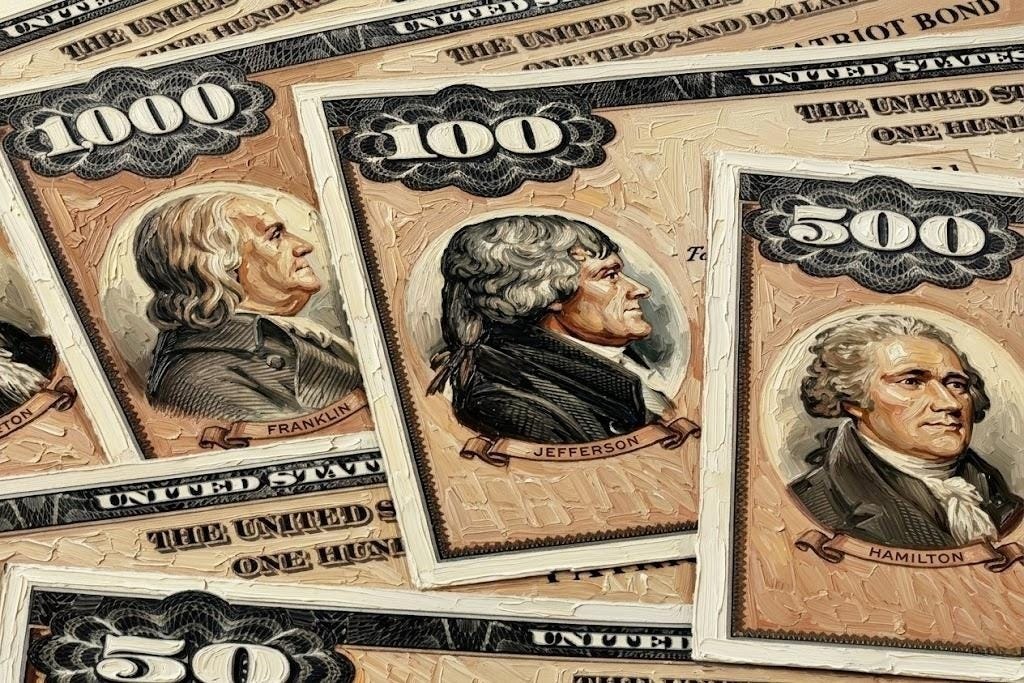

With most investments, there is a trade-off between risk and return. That’s well known but a little abstract. The coronavirus crisis of 2020 provides a good case study to see how this can work in practice.
Let’s start at February 20th, which was when the stock market started to falter. At first, bonds were behaving in character, rising as the stock market was falling. For the first few weeks, between February 20 and March 6, while the stock market was falling, the bond market rose—just as expected. But then, over the following week, as the stock market’s losses deepened, the bond market started to decline too. In all, the bond market lost nearly 9% in just that one week.
Certain areas of the bond market fared especially poorly. Over the one-month period between February 19 and March 19, short-term corporate bonds lost 12%, and high-yield (aka, junk) bonds lost 19%. Even municipal bonds lost 16%. This was probably the biggest surprise. During this period, in fact, the only winner was U.S. Treasury bonds, which rose 2%.
Treasury bonds don’t pay very much, but if history is a guide, they can deliver for investors when it is needed most.